Optimizing the checkout flow for an e-commerce website for a fashion apparel addressing low conversion rate, lack of trust, and user dissatisfaction.
Navigation
1. Overview & Context
A client from a prominent fashion retailer approached our startup with the requirement of optimizing the checkout process for their e-commerce platform.
The goal was to create a seamless, efficient, and visually appealing experience that would increase user satisfaction and boost conversion rates with a focus on their mobile users.
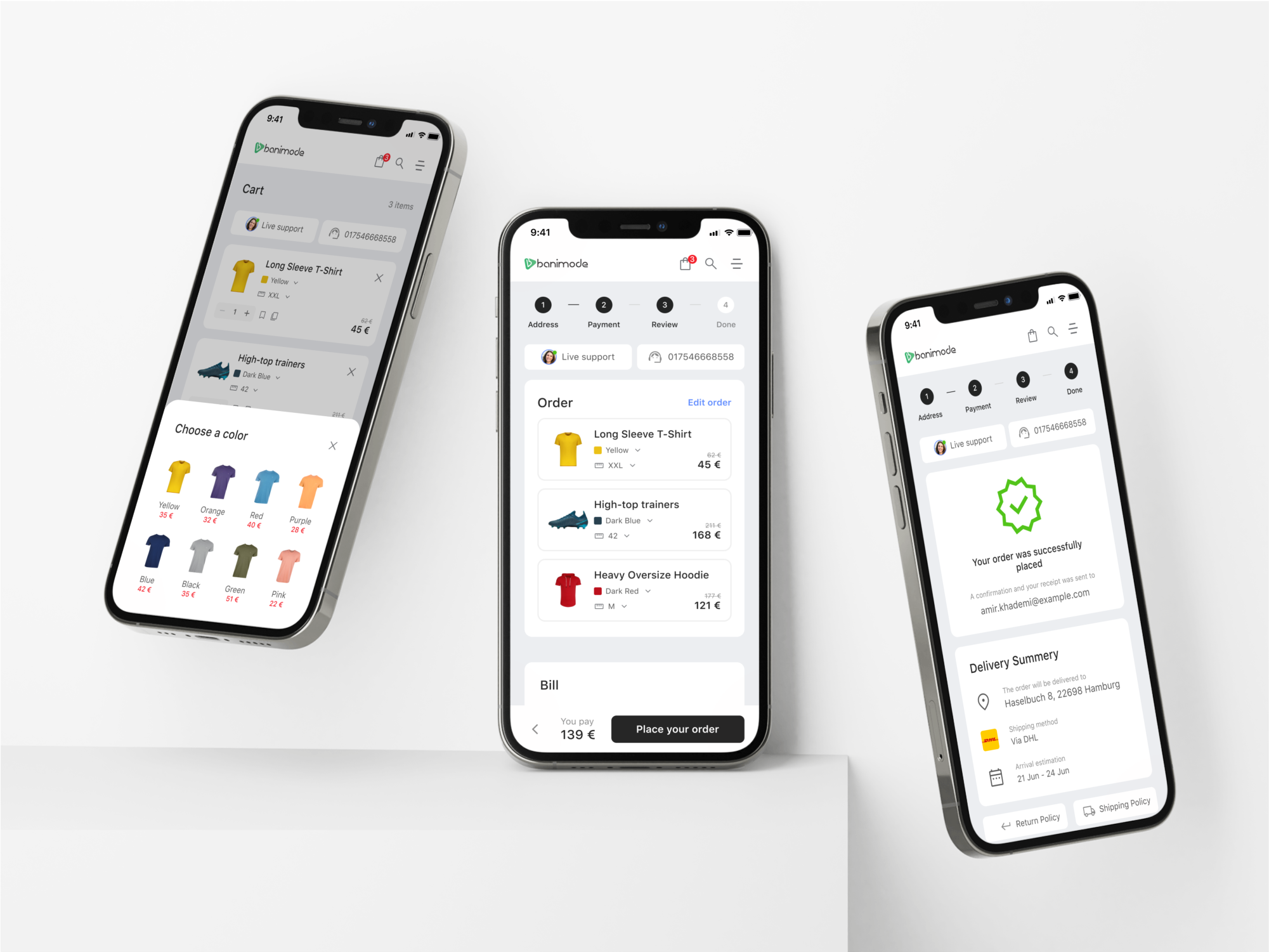
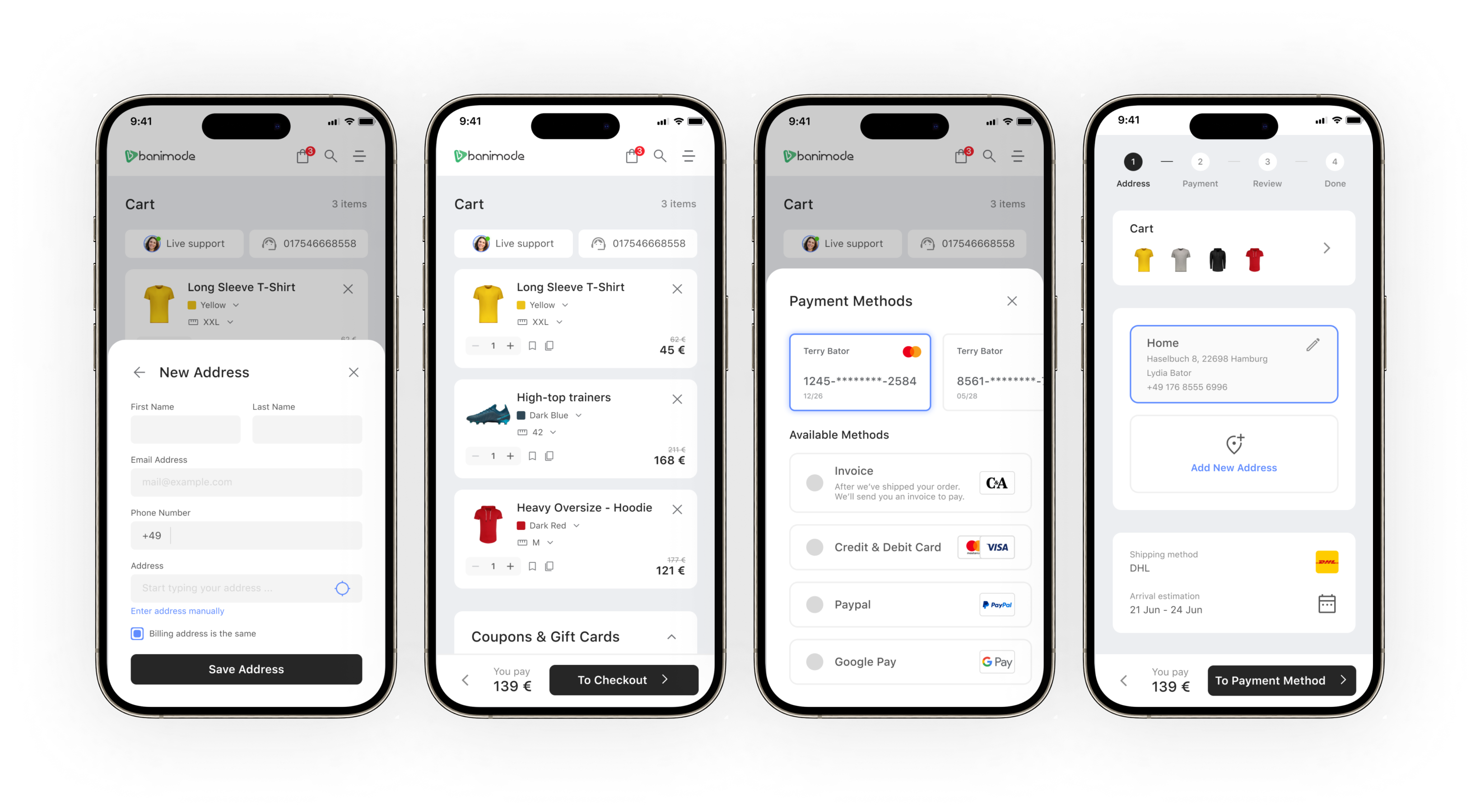
Sample of the end-result. The final mockups were redesigned and rebranded to maintain anonymity and NDA.
This case study shows the design approach, challenges faced, and the innovative solutions I implemented to transform the checkout flow, ultimately enhancing the overall shopping experience for their diverse customer base.
This case study is focused on demonstrating the following skills:
Design Process
Visual Design
Mobile Design
User Flow
Lean UX
2. Design Approach
For this project, I chose the Lean UX method because it allowed me to quickly test ideas and refine them. This approach is assumption-based and is ideal for moving swiftly when there’s limited data at hand.
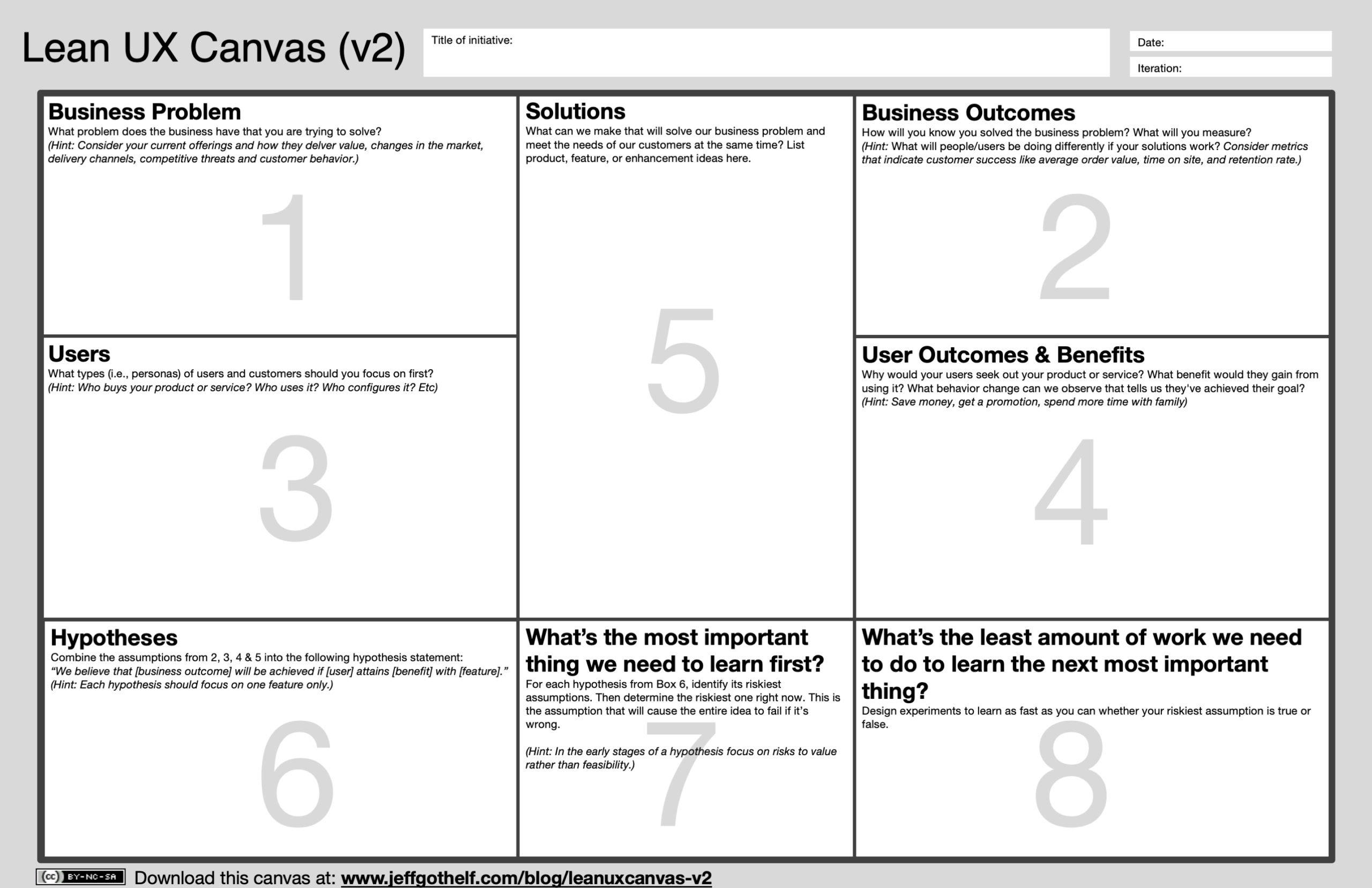
Lean UX works by breaking down the design process into small, manageable pieces. The Lean UX Canvas was used to guide our process. The following sections in this case study follow the steps from this Canvas.
3. Business Problems
The client has brought to our attention several critical issues with their existing checkout process. Following in-depth discussions and data analysis, we have identified the following problems as the main business issues with the current checkout flow.
Low conversion rate
The checkout flow was complex and time-consuming.
User dissatisfaction
Users abandoned their carts before completing purchases.
Lack of trust
Users hesitated to complete purchases due to concerns.
4. Business Outcomes
The design aimed to achieve key business outcomes that would address the identified problems.
The metrics for success were established through discussions with the client’s managers and sales team, who identified key areas needing improvement and set specific targets.
Increased conversion rate
10 to 15 percent
Decreased checkout time
10 to 15 percent
Improved customer satisfaction
15 to 20 percent
Reduced cart abandonment
10 to 15 percent
5. Users
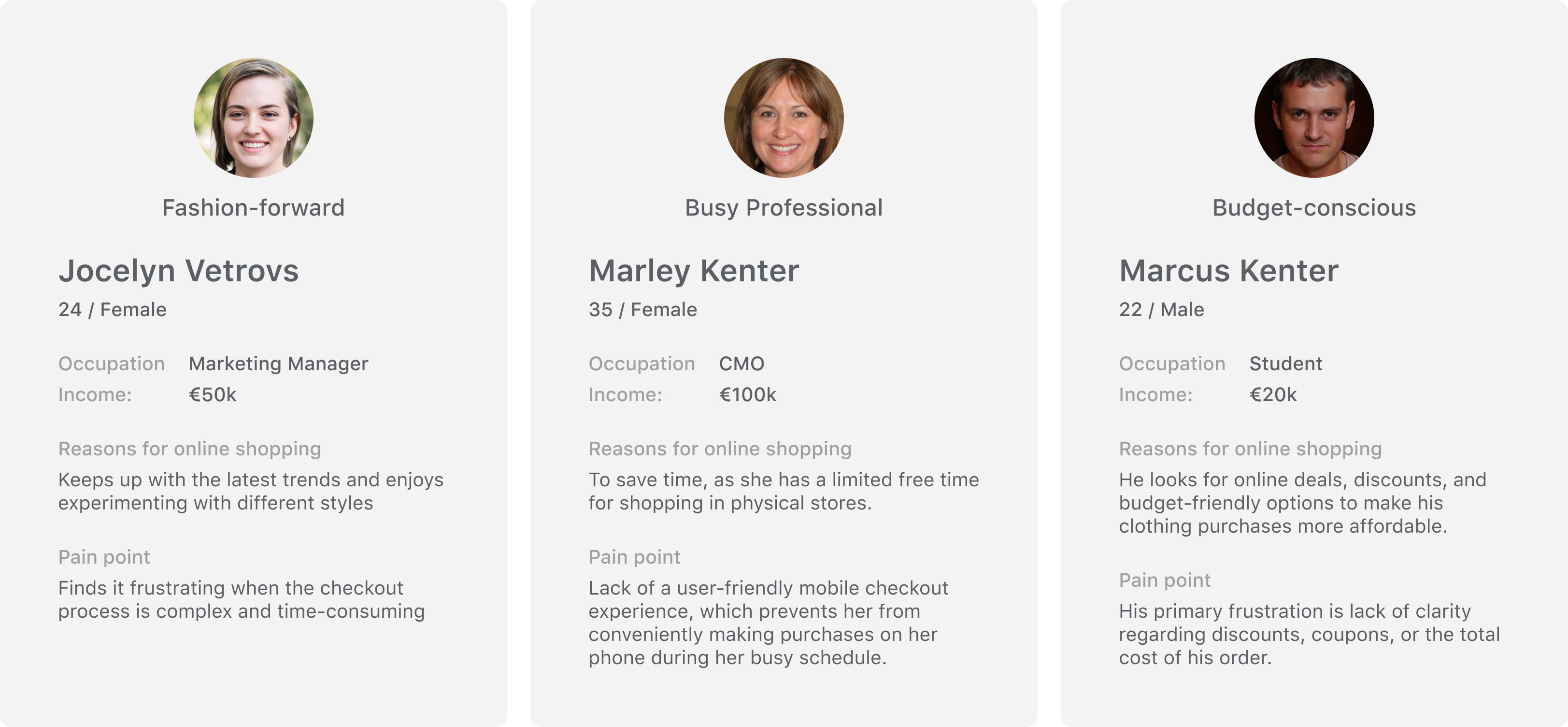
The personas we used to guide the design were provided by the client, as they were already well-established within their organization. These personas were based on extensive research and data, representing key segments of their customer base.
Personas, provided by the client.
By focusing on these personas, we ensured that our design decisions aligned with the needs, motivations, and pain points of the target audience.
6. User Outcomes & Benefits
As per the Lean UX process, it’s crucial to ensure that the proposed solutions not only align with the business objectives but also provide clear benefits to the identified users.
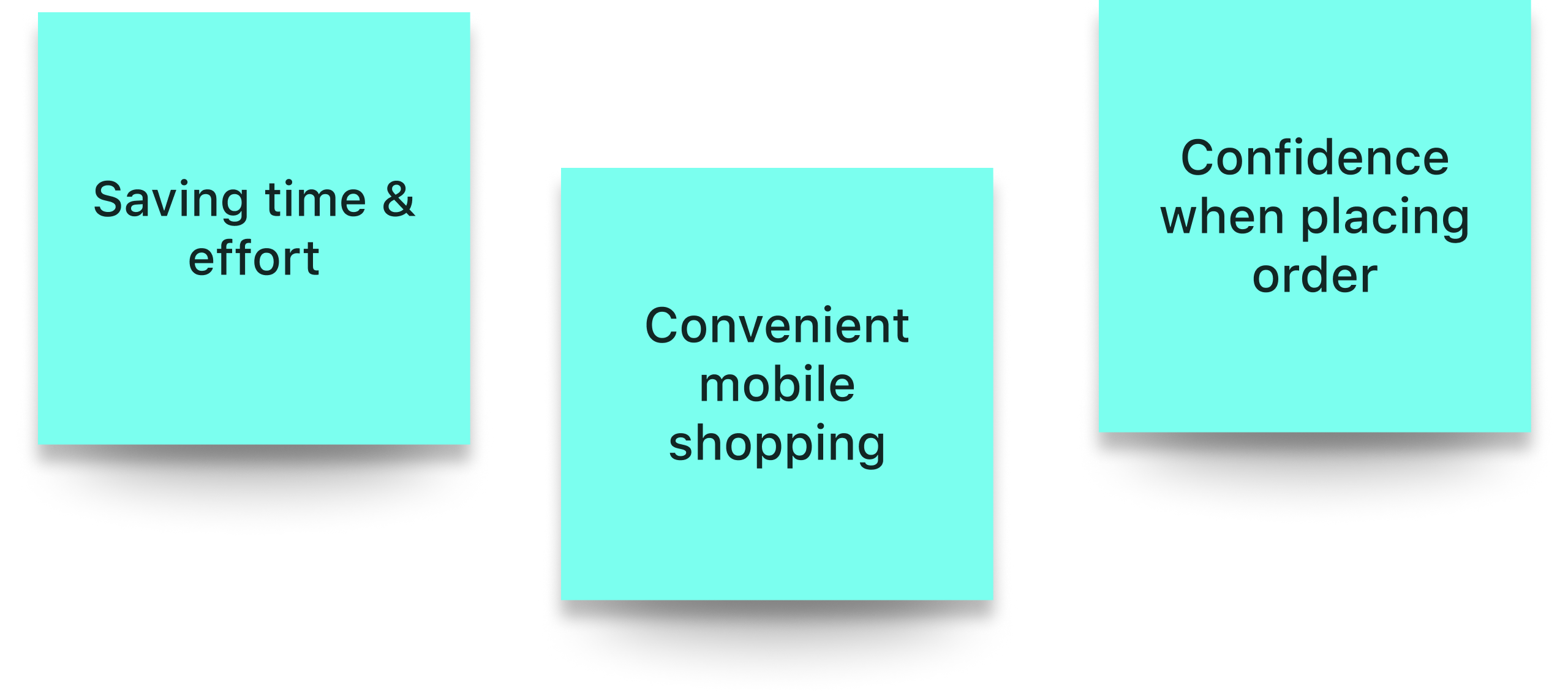
Working closely with the client and by focusing on addressing the specific pain points of each persona, we outlined a list of benefits that users should experience from the new checkout flow.
7. Solutions
With all the information at hand, it was time to ask the main question:
What ideas can help us solve our business problems, achieve our business goals, and deliver the agreed benefits to the identified users?
The goal now is to come up with as many ideas as we can. The quality of ideas does not matter at this stage, but the quantity.
7.1. Competitor Analysis
To inform our design decisions, we conducted a comprehensive competitor analysis of popular fashion and apparel websites. This helped us identify best practices and potential market gaps.
Most visited fashion and apparel stores.
7.2. Current Checkout Flow
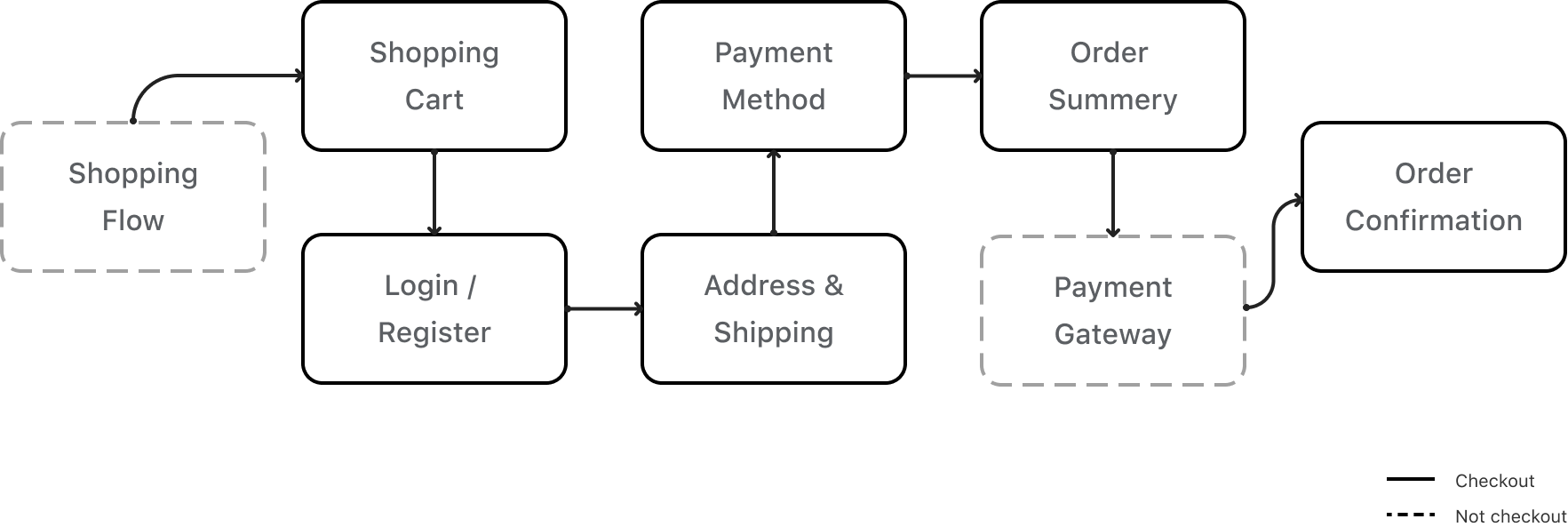
The current checkout flow was designed to map out the user’s journey through the process. This approach was particularly helpful in separating concerns and enabled us to consider gaps and opportunities at each step individually.
7.3. Current Checkout Flow
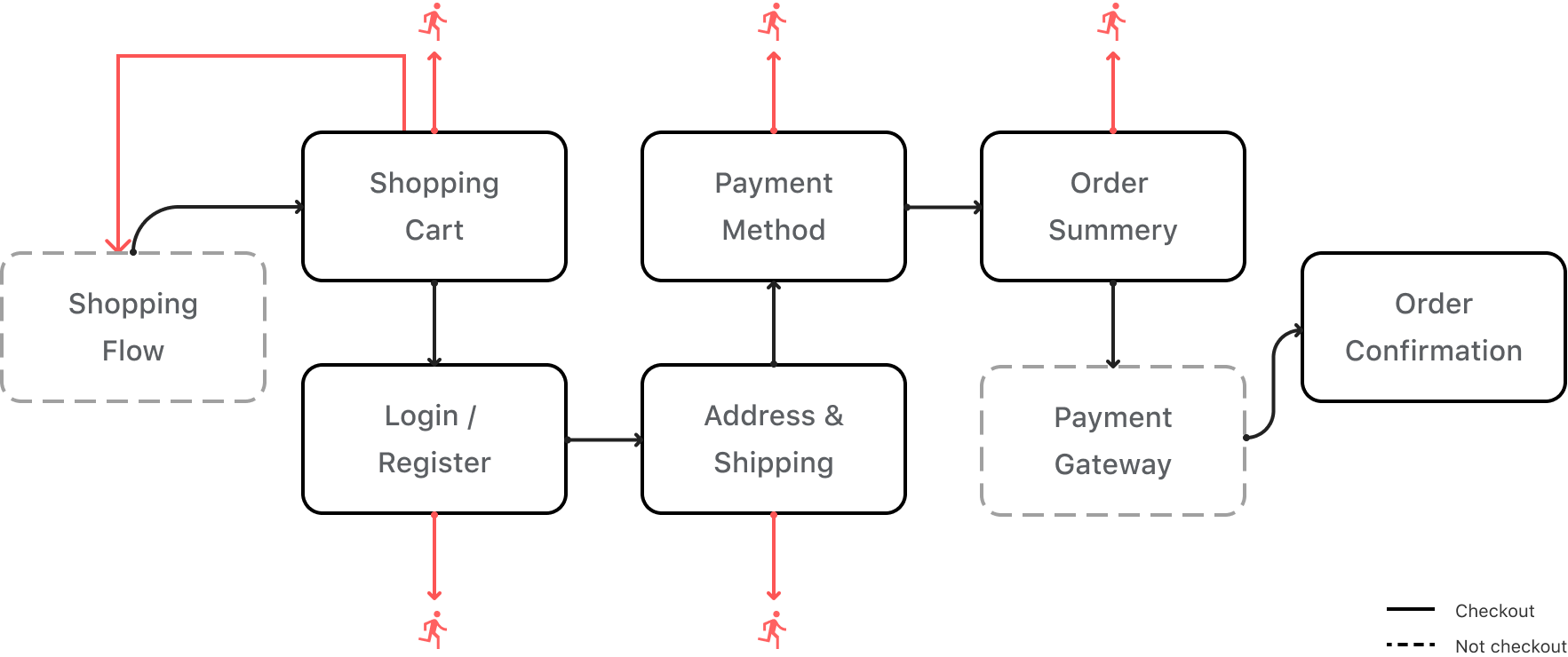
Our main hypothesis focused on removing barriers that typically cause users to abandon their carts. We identified various reasons in each step of the checkout process for which users might abandon the process.
In every stage of the checkout process, we pinpointed reasons why users might abandon the process.
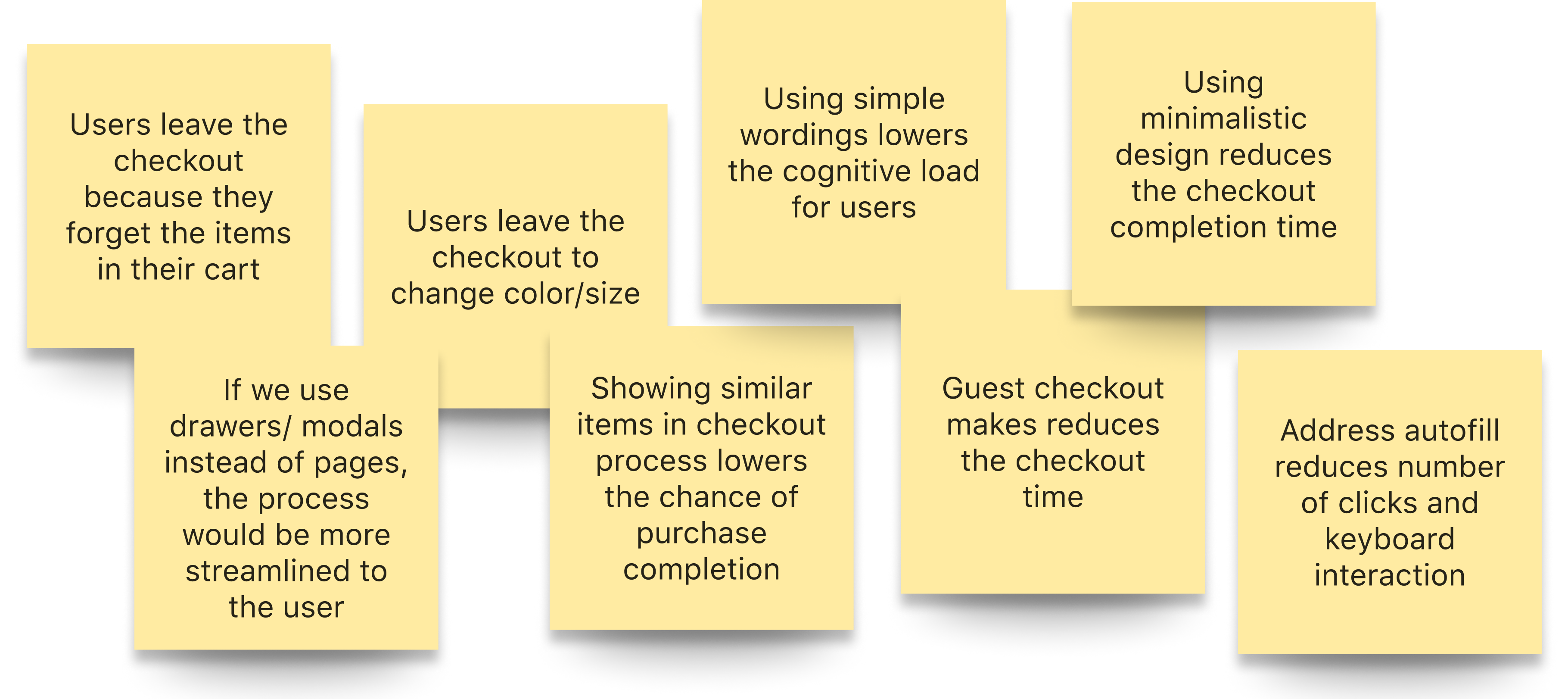
7.4. Brainstorming Ideas
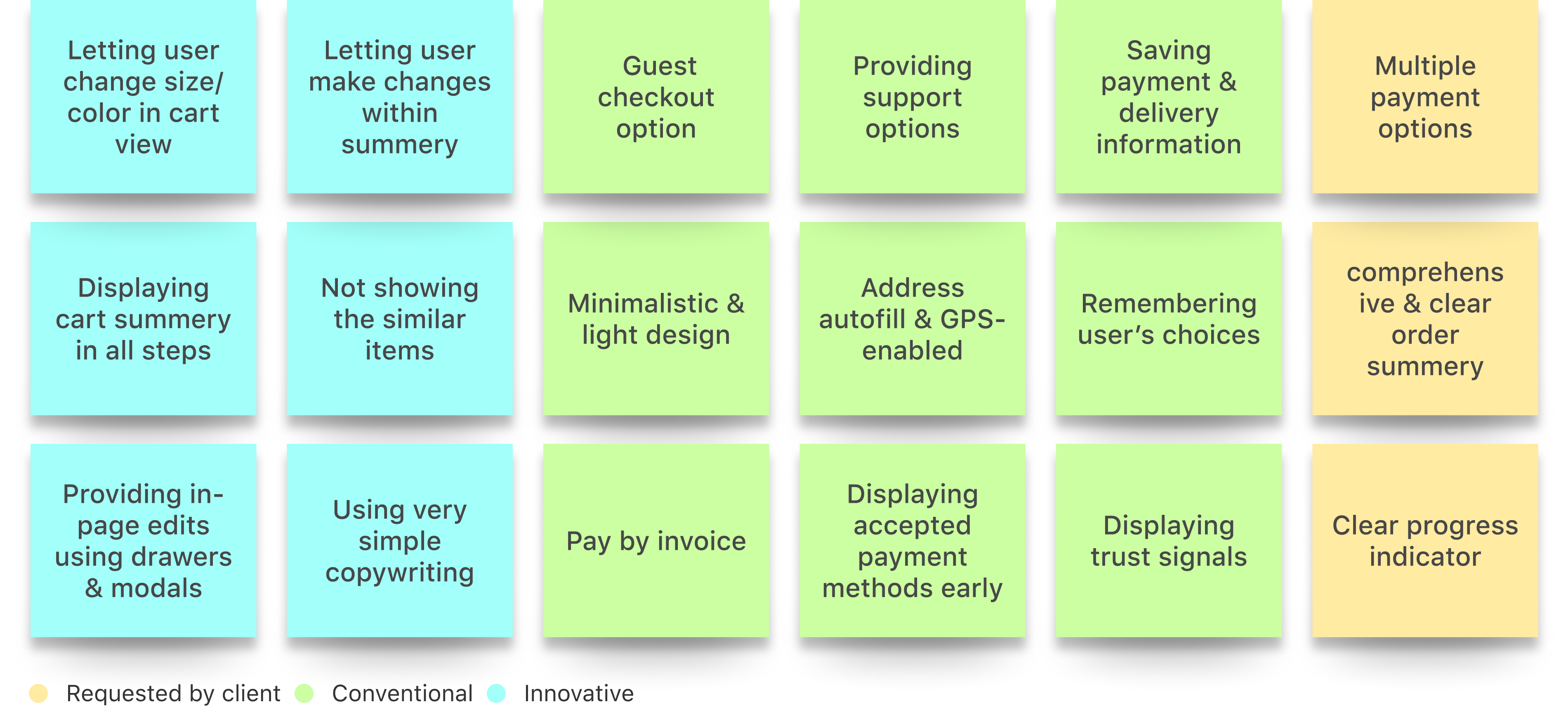
Having the list of reasons why users might abandon their cart from the previous section, we started the brainstorming session with this question:
How can we address the reasons why a user might abandon their cart?
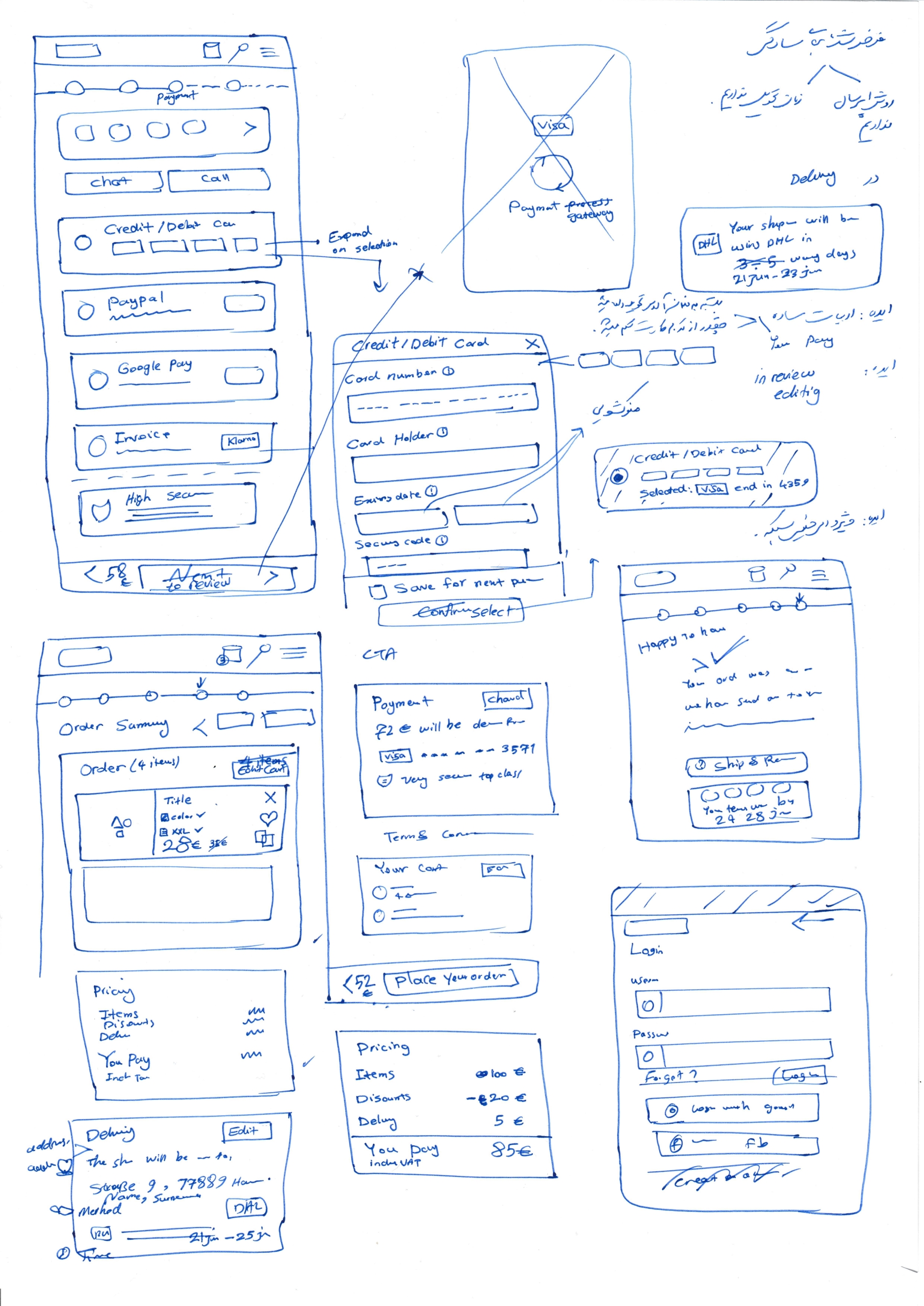
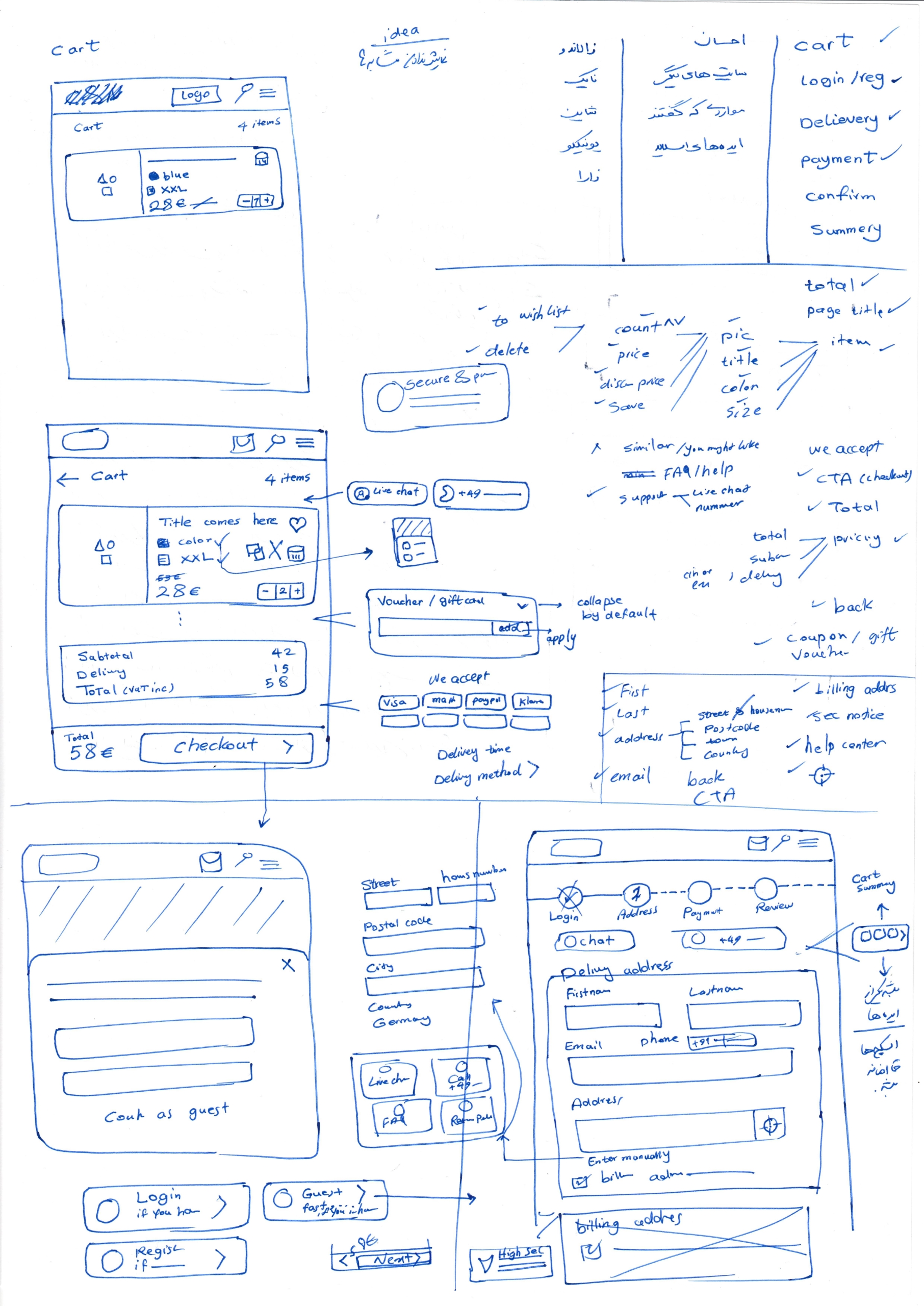
The result was a list of ideas and various solutions, balancing innovative ideas with conventional requirements.
8. Hypotheses
Following the Lean UX process, the next step was to put the pieces from the previous steps to develop clear hypotheses. To summarize, here is the main hypothesis we came to:
We believe that conversion rate and user satisfaction will increase if users can finish their checkout in a shorter time with less effort if we remove the reasons users leave or hesitate on checkout flow by providing the mentioned features/solutions.
9. Assumptions
As Lean UX says, “What’s the most important thing we need to learn first?” To answer this question, we need to identify and list the riskiest assumptions that need to be verified in the next steps for each hypothesis from the previous step, and here there are:
10. MVP & Prototyping
To present and test the ideas and assumptions, a high-fidelity prototype was designed. This prototype was presented to the client for feedback and to users for testing purposes.
Sample mockups - See the Figma below for full details and all screens.
11. Testing
To assess the effectiveness of the proposed solutions, we suggested appropriate user research methods to the client. The methods were chosen carefully in accordance with the proposed solutions.
Usability Testing
Testing with high-fidelity prototypes to validate the idea, flows, and designs and gathering feedback.
A/B Testing
Testing the implemented solution or part of it to compare key metrics such as conversion rates, time spent, and user satisfaction
Analytics
Analyzing website analytics and conversion funnel data to track user behavior and identify any drop-off points.
It’s important to note that we conducted usability testing on the high-fidelity prototype ourselves, while the remaining tests were delegated to the client to be conducted once the designs were implemented.
12. Conclusion
Hand-off
We received great feedback from the client and their users on our proposal. We documented and handed over design specifications, workflows, implementation notes, and proposed testing methods to the client's engineering team.
After implementation
The client informed us that the checkout process optimization successfully addressed key business problems and improved user experience.
Learnings
This project not only met the client's goals but also provided valuable insights into optimizing checkout experiences and conversion rates for diverse clients.